“Should I use heat or ice for my injury?”
This is one of the most common questions I hear from clients of all ages, and seems to create a lot of confusion. When you’ve pulled a muscle or picked up a niggling injury, it’s easy to reach for whatever feels comforting in the moment, and honestly, that’s completely understandable.
The problem is that using the wrong one can actually slow your recovery or make symptoms worse. Heat and cold do very different jobs in the body, and knowing when to use each can make a big difference to pain levels, healing time, and how confident you feel moving again.
In this blog, I’ll break things down in simple terms. We’ll look at what’s really happening when you “pull” a muscle, when ice is the better choice, when heat is more helpful, and how compression fits into recovery – so you can care for injuries properly, recover more effectively, and reduce the risk of them coming back.
What happens when you “pull” a muscle?
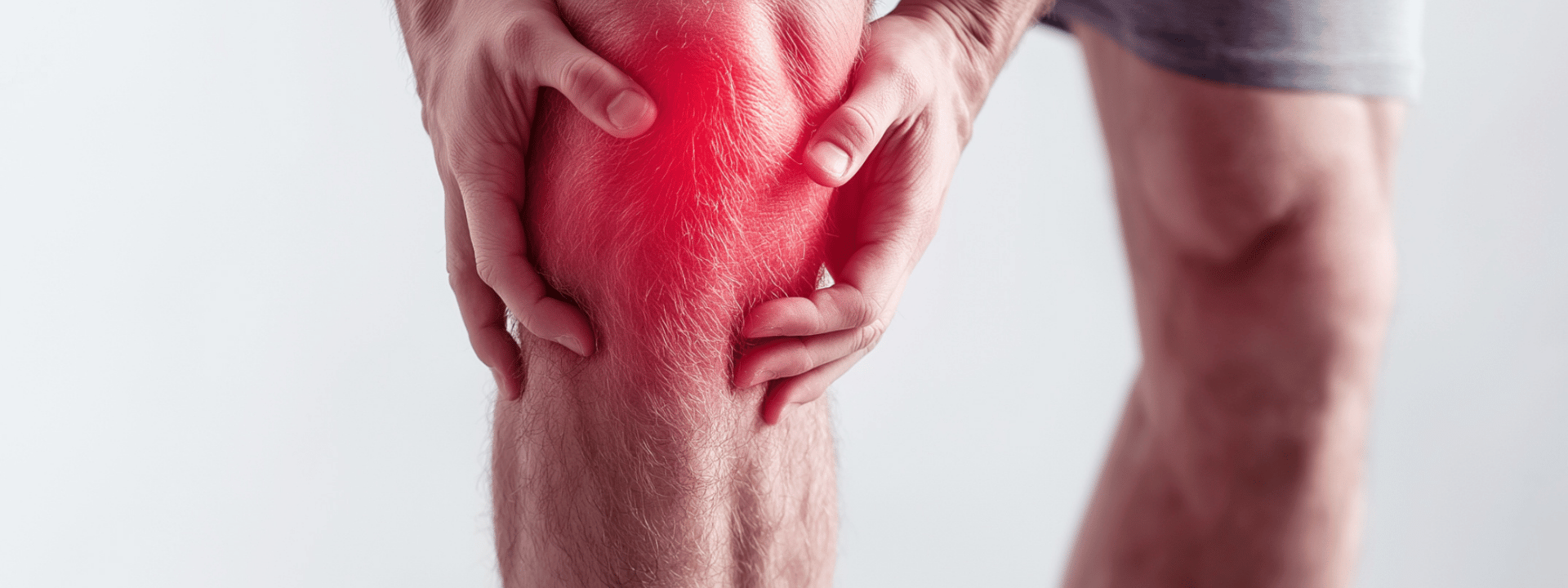
When people say they’ve “pulled” a muscle, what they’re usually referring to is a muscle strain. That sounds technical, but the idea is actually quite simple.
A muscle strain happens when muscle fibres are stretched further than they’re ready for, or they’re asked to work harder than they can cope with at that moment. This can cause tiny tears in the muscle tissue, which is what leads to pain and discomfort.
This kind of injury can happen for lots of reasons, including:
- A sudden or awkward movement
- Lifting something heavier than expected
- Sprinting or changing direction quickly
- Training when you’re already tired or tight
- Not warming up properly
When a muscle is strained, your body reacts more or less instantly. You might notice:
- Pain or tenderness in the area
- Swelling or a “puffy” feeling
- Tightness or stiffness
- Reduced strength or range of movement
It’s worth knowing that not all muscle pulls are the same. Some are very mild and settle quickly, while others need more careful management. How you treat the injury in the early stages plays a big role in how fast you recover, and whether that same problem will continue to haunt you and return again.
Cold Compression: When and why to use it
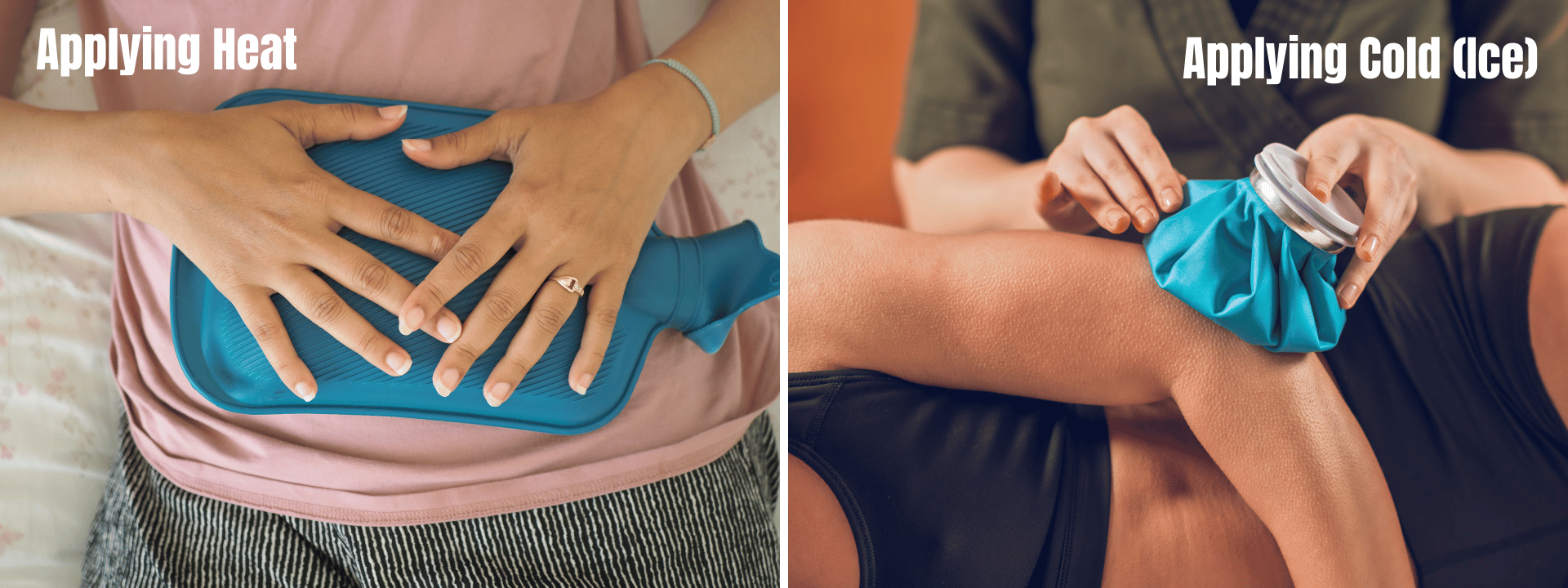
Cold therapy is usually the best place to start when a muscle injury is fresh. If something has just happened and the area feels sore, swollen, or warm, cold is often your friend.
What cold therapy does:
When you apply cold to an injured area, it:
- Helps reduce swelling and inflammation
- Numbs pain by slowing down nerve signals
- Limits excessive blood flow to the area in the early stages
In simple terms, cold helps to calm things down while your body starts the healing process.
When cold compression works best
Cold compression is most useful in the first 24–72 hours after an injury, especially if:
- The injury came on suddenly
- There is visible swelling
- The area feels warm or inflamed
- Movement is painful straight away
This is where compression comes in. Using a cold pack with gentle compression helps control swelling more effectively than ice alone and can make the area feel more supported and comfortable.
How to Use Cold Compression Safely
- Apply a cold pack or cold compression wrap for 10–20 minutes
- Use it 2–3 times per day
- Always place a layer (like a towel) between the cold pack and your skin
- Allow the skin to return to normal temperature between applications
Common mistakes to avoid with cold compression
- Leaving ice on for too long
- Applying ice directly to the skin
- Using cold on long-standing stiffness rather than a new injury
- Continuing to ice for weeks when swelling has already settled
Cold is most helpful early on, but it’s not meant to be a long-term solution for every ache and pain.
Hot Compression: When and why to use it
Heat often feels comforting, which is why many people reach for it straight away. But heat works very differently to ice, and it’s most effective later in the recovery process, not at the very start of an injury.
What heat therapy does:
- Increases blood flow to the area
- Helps muscles relax
- Reduces feelings of stiffness and tightness
You can think of heat as helping muscles loosen up and move more easily, rather than calming inflammation.
When heat compression is most helpful
- The initial swelling has gone down
- The injury feels tight or stiff rather than swollen
- Pain is lingering but no longer sharp
- You’re preparing the area for gentle movement or exercise
This often applies to injuries that are a few days old, or to long-standing muscle tightness that hasn’t come from a sudden strain.
How to use heat safely
- Use a heat pack or warm compress for 15–20 minutes
- Make sure the heat feels warm, not hot
- Use heat before movement or stretching if advised
Common mistakes to avoid
- Using heat straight after pulling a muscle
- Applying heat to an area that’s still swollen or warm
- Falling asleep with a heat pack on
- Using heat to “push through” pain
If a muscle is still inflamed, heat can increase swelling and slow healing. That’s why timing really matters.
Cold vs Heat: A simple decision guide
If you’re ever unsure whether to use heat or cold, a quick check-in with your symptoms can usually point you in the right direction. Rather than guessing, think about what the area feels like right now.
Here’s a simple guide to help you decide:
| Use Cold (Ice) if… | Use Heat if… |
| The injury is new or sudden | The injury is a few days old or ongoing |
| There is swelling or puffiness | There is no visible swelling |
| The area feels warm or inflamed | The area feels tight or stiff |
| Pain came on straight after activity | Pain is dull or achy rather than sharp |
| Movement is painful due to inflammation | Movement feels restricted due to stiffness |
As a general rule, cold calms things down, and heat loosens things up.
Where does compression fit into this?
One of the questions I get asked all the time is “will a compression sleeve actually help?”.
The short answer is yes – when it’s used for the right reason.
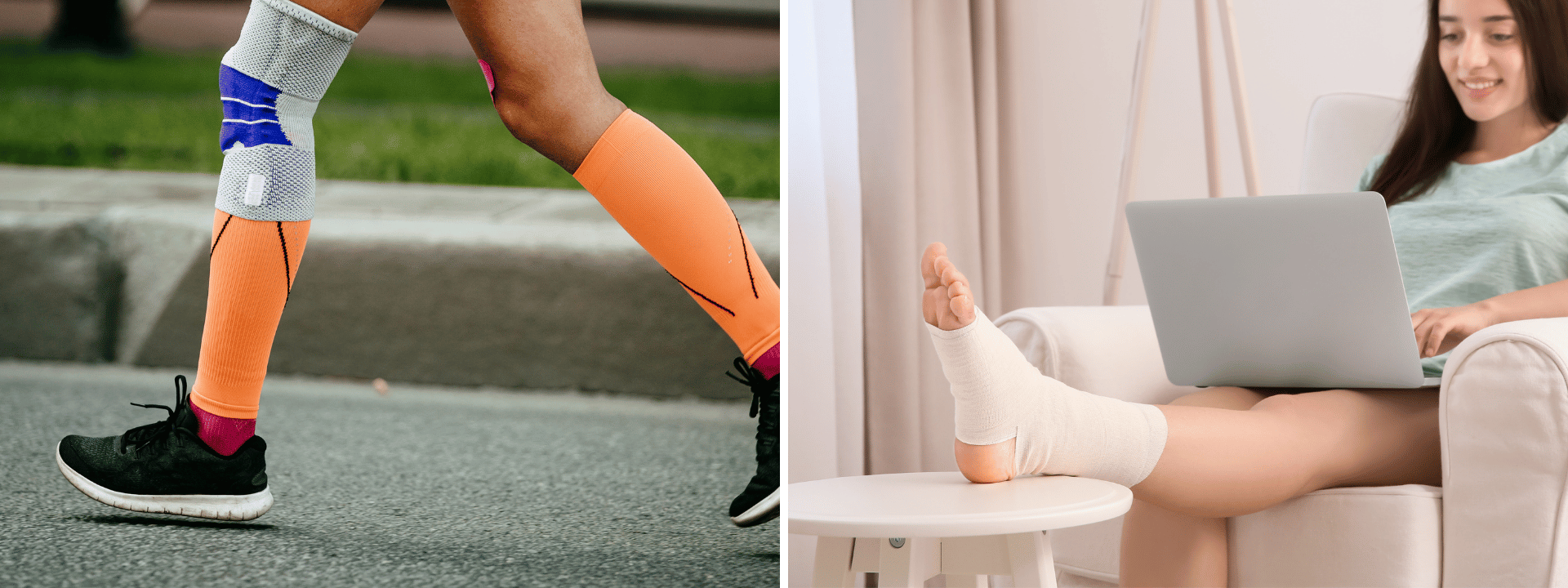
Compression simply means applying gentle, even pressure around an area. This can help support the tissue, manage swelling, and make an injury feel more secure, especially in the early stages of recovery or when you’re starting to move again.
Compression sleeves or wraps can:
- Help limit swelling after a muscle strain
- Provide light support to injured tissue
- Reduce that heavy or achy feeling around a sore muscle
- Improve confidence when returning to movement or exercise
For many people, compression also offers a sense of reassurance. Feeling supported can make it easier to move naturally, rather than guarding or tensing up around an injury.
When is a compression sleeve most useful?
A compression sleeve may be helpful:
- In the early stages, alongside cold therapy, to help manage swelling
- During the transition back to activity, when an area still feels vulnerable
- For longer days on your feet or during light training while recovering
That said, compression isn’t a cure on its own. It supports recovery but it doesn’t replace it.
A word of caution on compression:
Compression should never be tight or restrictive. If you notice:
- Tingling
- Numbness
- Increased pain
- Skin colour changes
Then the compression is too strong and should be loosened or removed.
Used correctly, compression can be a helpful tool. Used incorrectly, it can mask symptoms and delay proper recovery which is why timing and guidance really matter.
Why massage therapy matters in recovery
Heat, cold, and compression can all play a helpful role in managing a muscle injury, but they work best as part of a bigger picture, not on their own.
When a muscle is injured, the body often responds by tightening up around the area to protect it. This can lead to:
- Ongoing tightness
- Reduced movement
- Other muscles working harder to compensate
Over time, that protective tension can slow recovery or even lead to new aches and pains elsewhere.
Massage therapy helps by:
- Improving blood flow to support healing
- Reducing unnecessary muscle tension
- Encouraging better movement patterns
- Helping the body relax out of that “protective” state
One of the biggest benefits of hands-on treatment is that it allows for individual assessment. Not all injuries should be treated the same way, even if they feel similar. Understanding where the strain is, how your body is compensating, and what stage of healing you’re in makes a huge difference to recovery. If you’re looking for support tailored to your needs, my Sports Massage treatments are designed to speed recovery and prevent repeat injuries.
Massage isn’t about forcing change, it’s about giving the body the right support at the right time, so healing can happen more naturally and efficiently.
Preventing repeat injuries
One of the most frustrating things about muscle injuries isn’t the pain – it’s when the same problem keeps coming back with a vengence. Very often, repeat injuries happen not because the muscle is weak, but because it never fully recovered or the underlying cause wasn’t addressed.
A few simple habits can make a big difference:
Warm up properly – Muscles respond better when they’re prepared for movement. A short, purposeful warm-up is far more effective than jumping straight into activity.
Respect recovery time – Pain settling doesn’t always mean healing is complete. Returning too quickly can leave tissue vulnerable to re-injury.
Maintain mobility and flexibility – Tight or restricted areas are more likely to overload during movement. Regular mobility work helps spread load more evenly through the body.
Pay attention to early warning signs – Persistent tightness, discomfort, or reduced movement are often signals worth listening to – not pushing through.
Get support when needed – Regular maintenance treatment can help identify problem areas early, improve movement quality, and reduce the chance of small issues turning into bigger injuries.
Looking after your body consistently is usually far more effective than dealing with injuries only when they become painful.
Final thoughts…
Knowing when to use heat, cold, and compression can make a real difference to how quickly and comfortably you recover from a muscle injury. When you understand what your body needs at each stage, you reduce pain, support proper healing, and lower the risk of the problem returning. If you need assistance understanding your injuries, I can give you personalised advice.
Pulled muscles and niggling injuries are common, but they don’t have to become ongoing issues. With the right early care and sensible progression back to activity, most injuries recover well and allow you to move confidently again.
I provide professional sports massage and injury recovery treatments in Newhaven, East Sussex, helping clients manage muscle strains, reduce tightness, and prevent repeat injuries.
You can book an assessment online or get in touch if you’d like to talk things through first -I’m always happy to help.
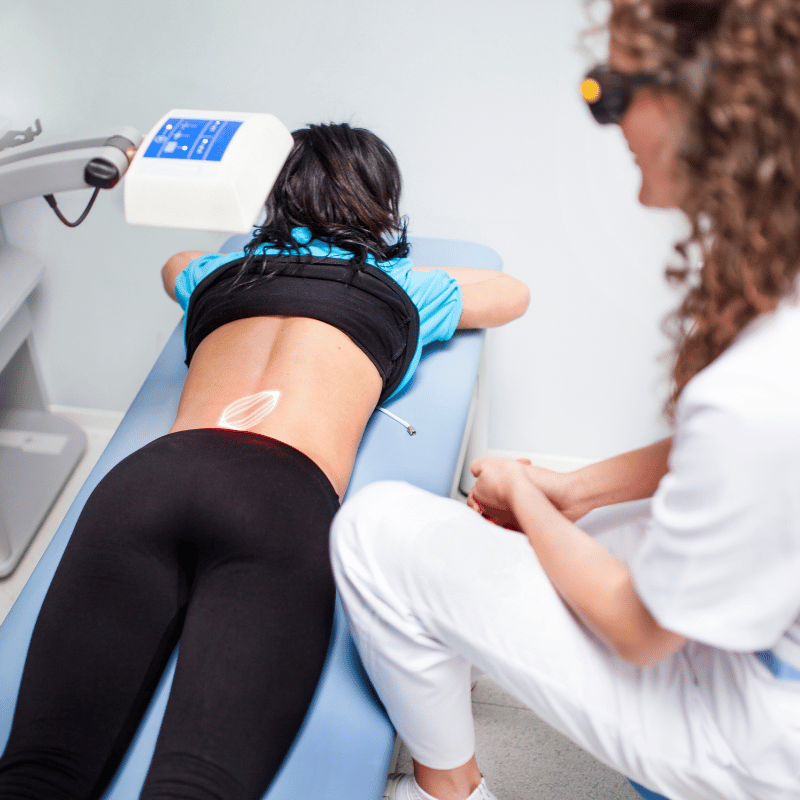
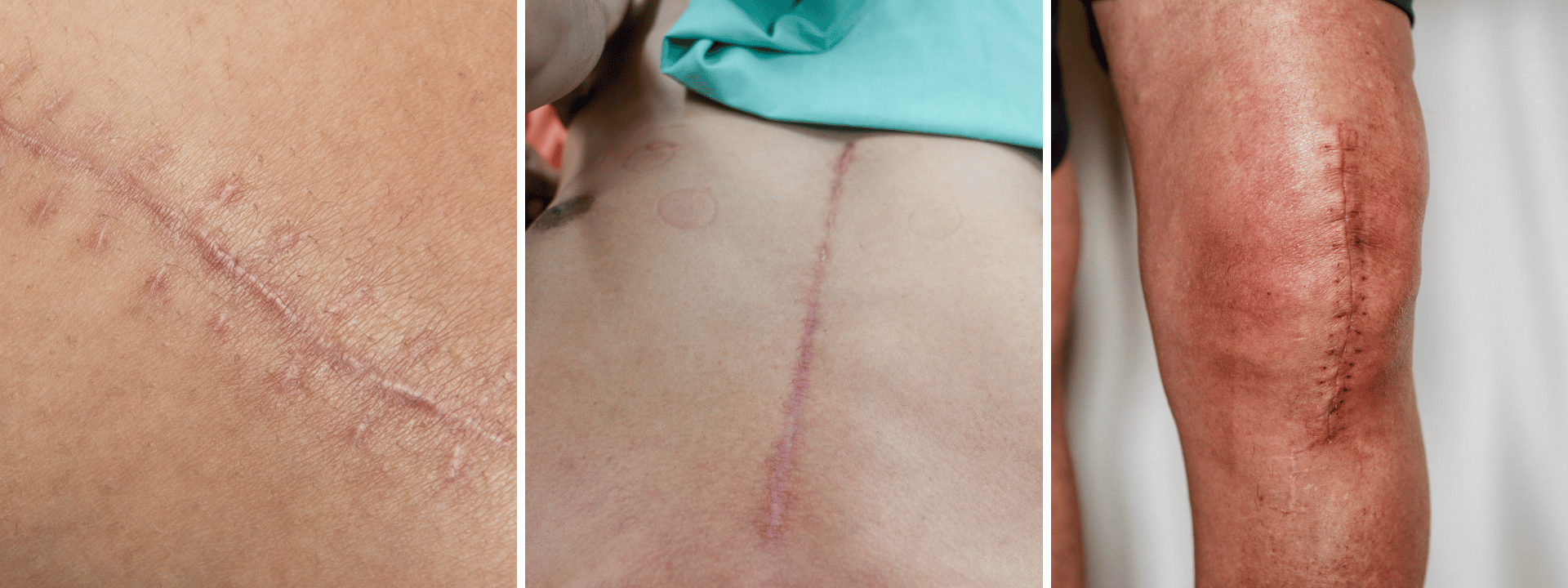
We all have scars. For some, they’re a small reminder of a past injury like a cut from a fall that healed quickly. For others, scars might be tied to more significant events like surgery or medical treatment, and can continue to affect how the body feels and moves long after the skin has healed. While scars are a normal part of the healing process, they don’t always recover well and for some people may remain tight, sensitive, painful, or even restrictive – these are what are known as adhesions.
Earlier this year, I introduced the ASA M8 laser system into my clinic, making Callum Wood Sports Massage the only clinic in Sussex currently offering this level of advanced photobiomodulation technology. Since then, it’s been receiving excellent feedback from clients, and it’s quickly become an essential and valuable part of the work I do with my clients. As with any advanced technology, I’m only just beginning to explore its full potential which is why I want to take a closer look at how it may support scar tissue healing through a documented case study.
Photobiomodulation itself isn’t new. It’s been used in medical and rehabilitation settings for many years, supported by a growing body of research around tissue healing and inflammation management. What is new for me is taking a more focused look at its application for treating scar tissue, and doing so in a transparent way.
In this blog, we’ll explain how photobiomodulation works in simple terms and introduce a free laser therapy giveaway!
What is Photobiomodulation?
Photobiomodulation (PBM) is a type of laser therapy that uses specific colours of light – usually red and near-infrared – to help the body heal itself. The light isn’t hot and doesn’t burn or damage tissue. Instead, it gently passes through the skin and is absorbed by the cells underneath.
Inside each cell are structures called mitochondria, often described as the “power houses” of the cell. When these mitochondria absorb laser light, they become more efficient at producing energy (called Adenosine Triphosphate ATP). At the same time, the light helps calm down excessive inflammation and improves blood flow in the area being treated. All of this creates better conditions for repair and regeneration.
Essentially, what this means is photobiomodulation gives injured or restricted tissue more energy, better circulation, and a calmer healing environment, allowing the body to do what it’s already trying to do, but more effectively.
This is particularly relevant for scar tissue. Scars are not just changes on the surface of the skin; they often involve altered collagen structure, reduced circulation, and lingering low-grade inflammation beneath the surface. PBM has been shown to influence the behaviour of fibroblasts (the cells responsible for producing collagen), support more organised tissue remodeling, and reduce excessive inflammatory responses which are all factors that can influence how a scar feels, moves, and adapts over time.
When working with different types of scar tissue in the clinic, particularly keloid scars, photobiomodulation has shown potential to reduce redness, itching, and stinging, which are common symptoms with this type of scarring. In some cases, the thickness of the scar may also reduce over time.
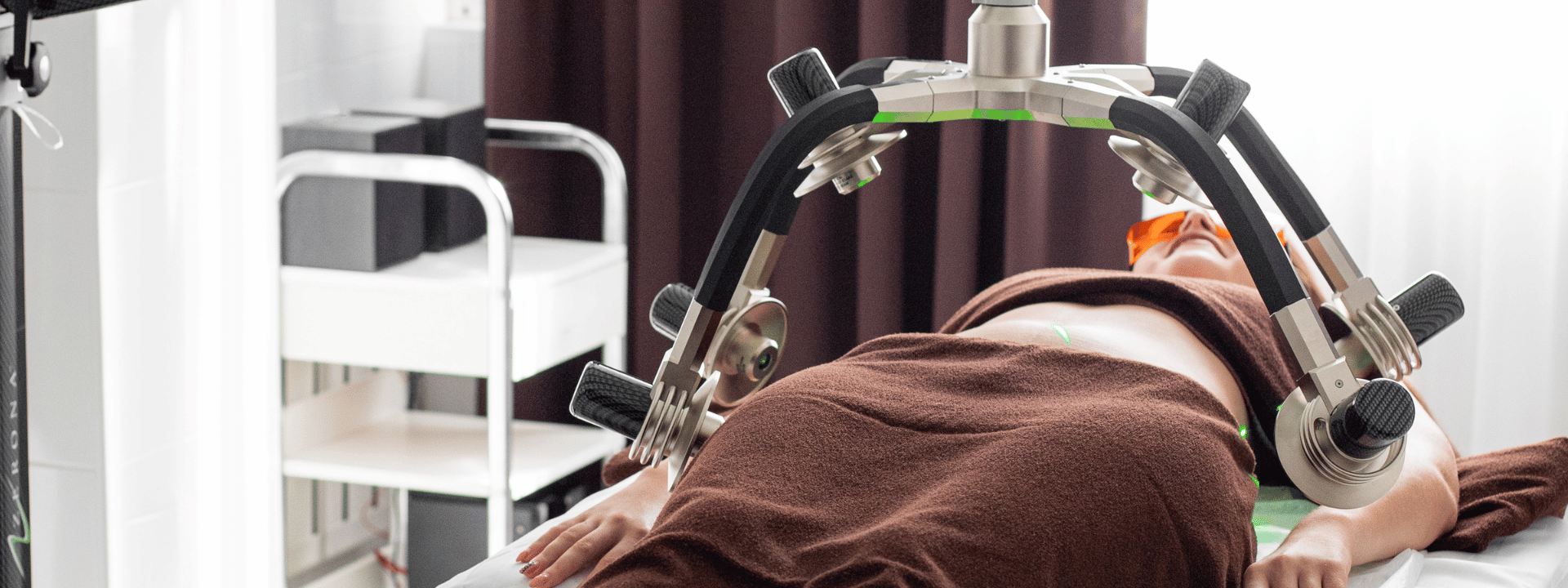
In my clinic I use the ASA M8 laser system, which delivers red and near-infrared light at carefully controlled doses. This allows me to work with both surface-level scars and deeper tissue changes, without heat or discomfort. Like most therapeutic tools, the effectiveness of PBM depends on how it’s applied including wavelength, dosage, and treatment frequency – which is why it’s important to approach scar treatment in a considered, evidence-informed way.
What does this look like in practice?
Photobiomodulation has been widely studied for wound healing and scar management, with professional case studies documenting improvements in pain, tissue quality, and scar appearance. One example is a systematic review and meta-analysis that looked at how low-level laser therapy affects skin wounds in multiple clinical trials. This analysis included data from hundreds of wounds including surgical scars, burns, ulcers, and graft donor sites, to compare outcomes between laser-treated groups and those receiving standard care.
Overall, the findings showed that wounds treated with low-level laser therapy healed faster and reduced in size more than those in control groups, with statistically significant improvements in complete healing rates. Pain levels were also lower in the laser-treated groups, suggesting real benefits in both tissue repair and comfort. While this research isn’t specific to every type of scar, it offers a practical clinical example of how controlled light-based therapy can support the body’s natural healing processes in real patients.
Here’s a link to the full case study: The Effects of Low-Level Laser Therapy on Wound Healing and Pain Management in Skin Wounds: A Systematic Review and Meta-Analysis
Participants wanted – Be part of my scar recovery study using the ASA M8 Laser
I’m looking for clients local to Newhaven and the surrounding area with scars. Whether surgical, C-section, sports injuries, old or recent, to take part in a free photobiomodulation scar treatment programme using the ASA M8 laser.
I want to explore the potential of photobiomodulation for improving scar tissue in a real-world setting. PBM has shown promise in supporting tissue repair, enhancing circulation, reducing pain, and improving overall scar quality. This case study will be carefully documented so we can share observations, insights, and outcomes with our community.
What you’ll receive
- Free 20-minute laser therapy sessions
- Professional before-and-after progress tracking
- A chance to support scar health and appearance at no cost
- 3-4 Sessions running weekly for 3–4 weeks, depending on scar type and response
What I need from you
- Photos taken before, during, and after the treatment plan
- Permission to share results on my website and social media channels
- Commitment to attend weekly sessions for 3–4 weeks
Who this is suitable for
- Surgical scars
- C-section scars
- Sports injury scars
- Old or new scars
- Restricted or sensitive tissue
Interested in taking part of my photobiomodulation case study?
Please note that spaces are currently limited to two participants and will be offered on a first-come, first-served basis, following a discussion to ensure suitability.
If you’re interested or would like more information, please email me at callum@cwsportsmassage.com, or send a message on Instagram or Facebook. I’ll be in touch to discuss the scar you’d like to treat, confirm eligibility, and schedule your sessions for the new year.
I’m excited to document the healing process and share what we learn, helping others see how photobiomodulation can support scar recovery.
Frequently Asked Questions on Photobiomodulation & the Laser Therapy Case Study
Is photobiomodulation painful?
Not at all! PBM is gentle, non-thermal, and most clients find it comfortable during treatment.
Are there side effects to low level laser therapy?
Very rarely. Some people notice a slight, temporary redness in the treated area, which usually settles quickly.
Who shouldn’t have PBM?
If you’re taking photosensitizing medication or have a photosensitive condition, it’s best to check with a clinician before participating.
Where will this trial take place?
All sessions will be held at my clinic in Newhaven (Unit 31, Newhaven Enterprise Centre, Denton Island, Newhaven, BN9 9BA).
It’s easily accessible by car, local buses (12, 12a, 12x, 13x), or Newhaven train station. We welcome participants from Newhaven, Peacehaven, Seaford, Brighton, Lewes, Eastbourne, Saltdean, and surrounding areas.
When will this take place?
The trial will run in February 2026. Once you’ve been selected, I’ll arrange the dates with you directly to fit your schedule.
Anything else I should know about the photobiomodulation case study?
All sessions are designed to be safe, evidence-informed, and tailored to your scar type and response with careful progress tracking so you can see the results over time.

If you go to the gym, are part of a sports club, follow fitness influencers, or spoken to anyone who trains regularly, then the chances of you hearing about creatine are pretty high. A lot of my clients have been asking about it lately, so I thought it was worth putting a post together on the substance . It’s not to tell you what to take, but to share and break down some of the research available online, and talk about how it fits into the bigger picture of looking after your body.
⚠️ Disclaimer: I’m a sports massage therapist, not a nutritionist. So this isn’t supplement advice. This is simply my opinion and looking at the evidence available online as to what creatine does, what it doesn’t do, and how hands-on treatment can sit alongside it as part of a smart recovery routine.
So, what actually is creatine?

Creatine is a natural compound made up of amino acids – the building blocks your body uses to build and repair muscle. Your body produces it naturally, mainly in the liver and kidneys, and it gets stored in your muscles and used to rapidly generate energy during short, intense bursts of effort. Things like lifting, sprinting, or any explosive movement. When you supplement with it, you’re essentially topping up those stores so your muscles have even more fuel available when they need it most.
The International Society of Sports Nutrition (ISSN) calls creatine monohydrate the most effective ergogenic (meaning performance-enhancing) nutritional supplement currently available for increasing high-intensity exercise capacity, and lean body mass during training (Kreider et al., 2017). That’s a bold statement, but it’s one backed by decades of research, which is part of why it keeps coming up in conversation.
What does creatine do for recovery specifically?
This is the part that’s been getting more attention recently, particularly for people in their 30s, 40s and 50s who notice that recovery takes a bit longer than it used to.
A 2024 study published in Nutrients found that participants who had been taking creatine monohydrate for 28 days showed better range of motion and less muscle swelling in the days following intense exercise, compared to those taking a placebo (Yamaguchi et al., 2024). A larger follow-up study in 2025, again in Nutrients, looked at both men and women across different age groups and found that creatine helped reduce muscle stiffness and supported the recovery of muscle strength after exercise-induced damage (Yamaguchi et al., 2025).
In simple terms, creatine may help your muscles bounce back faster at a cellular level, reducing damage, easing soreness, and helping you feel ready for your next workout or physical work shift much sooner.
There’s also growing evidence for older adults specifically. A 2024 meta-analysis (which is essentially a large study that pools and analyses the results of many smaller studies) found that combining creatine with exercise training significantly improved strength outcomes in adults over 55. That’s particularly relevant when it comes to preserving muscle health as we get older (PMC, 2024).
What creatine can’t do
Creatine works at a biochemical level meaning it supports what’s happening inside the muscle cell. But no supplement can address what happens to your body structurally when you train hard and consistently. That includes things like:
- Muscle tension and tightness that accumulates over weeks and months of training
- Restricted range of motion in your joints and soft tissue
- Fascial restrictions – fascia is the connective tissue that wraps around your muscles, and it can become tight or stuck, limiting how freely you move
- Compensatory movement patterns, where your body starts quietly adjusting the way it moves to protect a tired or sore area, often without you even realising
These things need to be physically worked through and isn’t something creatine can fix.
⚠️ A quick note: I’m a sports massage therapist, not a nutritionist or a doctor. If you’re thinking about starting creatine supplementation, please speak to a qualified sports nutritionist or your GP first, especially if you have any existing health conditions. This article is here to inform, not to advise on whether creatine is the right choice for you personally.
Two different tools, working on different things
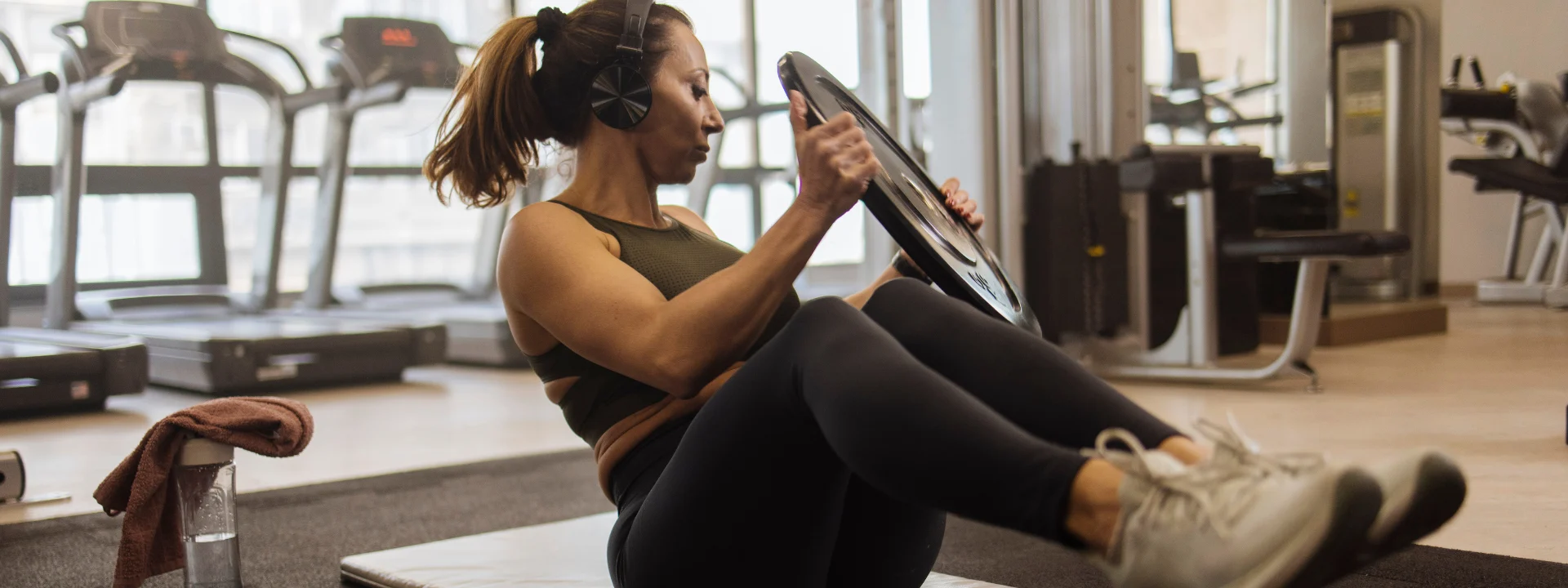
Think of recovery as having two layers.
The first layer is what’s happening inside the muscle cell – energy replenishment, inflammation management, cellular repair. That’s where creatine can contribute.
The second is the physical, structural layer – tension, mobility, posture, how well your body actually moves. That’s where sports massage and soft tissue therapy comes in.
Research published in a 2026 literature review found that massage therapy can reduce DOMS (delayed onset muscle soreness) by around 30% and improve range of motion, with deep tissue techniques showing particularly strong results (IGI Insight, 2026). A 2023 systematic review covering 114 articles also highlighted massage’s role in reducing pain, soreness and perceived fatigue, as well as its positive effects on mood, stress and relaxation (Dakić et al., 2023).
What that looks like in practice varies from person to person. For some people it’s about keeping on top of tension that builds from regular training whilst for others, it’s addressing old restrictions or compensatory patterns that have crept in over time. Regular soft tissue work helps your body move better, reduces injury risk, and means you’re getting more out of every session – whether you’re supplementing with creatine or not.
Final thoughts on creatine supplementation
Creatine is one of the most well-researched supplements out there, and the evidence for its role in recovery is continuing to grow. For anyone who’s training regularly or feels sore from their work a lot, it may well be worth considering.
Think of recovery like servicing a car. Creatine might be the premium fuel, but if the engine needs work, the fuel alone won’t fix it.
If you’re carrying tightness, old niggles, or just feel like your body doesn’t move as well as it should, it’s worth thinking about addressing those alongside your supplementation. Whether that’s through sports massage and soft tissue work or something like laser therapy for pain and inflammation, the two approaches can work really well together and both can play an important part in feeling and moving better.
If you’re not sure what you need or whether I can help, I offer a free 15-minute phone consultation. There’s no commitment, just a friendly informal chat. Feel free to get in touch and we can talk it through.
References
- Kreider, R.B., et al. (2017). International Society of Sports Nutrition position stand: Safety and efficacy of creatine supplementation in exercise, sport, and medicine. Journal of the International Society of Sports Nutrition. https://link.springer.com/article/10.1186/s12970-017-0173-z
- Yamaguchi, S., et al. (2024). The Effect of Prior Creatine Intake for 28 Days on Accelerated Recovery from Exercise-Induced Muscle Damage: A Double-Blind, Randomized, Placebo-Controlled Trial. Nutrients. https://www.mdpi.com/2072-6643/16/6/896
- Yamaguchi, S., et al. (2025). The Effects of Creatine Monohydrate Supplementation on Recovery from Eccentric Exercise-Induced Muscle Damage. Nutrients. https://www.mdpi.com/2072-6643/17/11/1772
- Sharifian, G., et al. (2024). Impact of creatine supplementation in older adults: A systematic review and meta-analysis. European Review of Aging and Physical Activity. https://pmc.ncbi.nlm.nih.gov/articles/PMC12506341/
- Dakić, M., et al. (2023). The Effects of Massage Therapy on Sport and Exercise Performance: A Systematic Review. Sports. https://www.mdpi.com/2075-4663/11/6/110
- Arsovski, A., et al. (2026). Massage Therapy as an Adjunctive Treatment for Sports-Related Muscle Injuries. IGI Insight. https://journal.igiinsight.com/index.php/IgiActivein/article/download/108/98
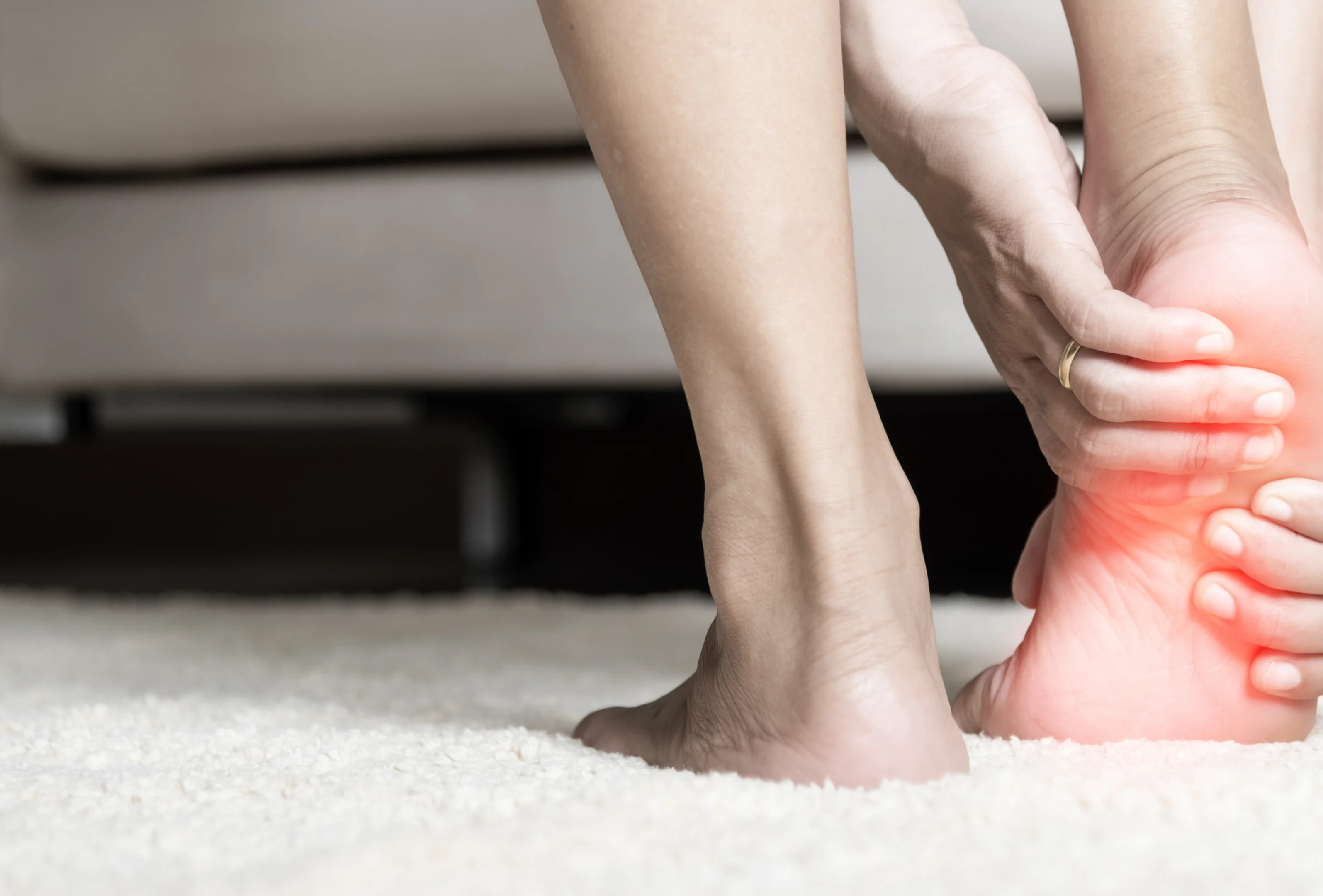
You lace up your running shoes, step out the door, and within a few strides that familiar stabbing pain shoots through your heel. If you’re a runner, a hiker, or someone who spends long hours on their feet, there’s a good chance you know exactly what I’m talking about. Plantar fasciitis is one of the most common and frustrating injuries in the active community, and it has a habit of stopping people in their tracks just when they’re in the middle of training for something important.
At Callum Wood Sports Massage in Newhaven, I see this injury very regularly but the good news is that with the right approach, it’s very treatable. Here’s everything you need to know.
What exactly is Plantar Fasciitis?
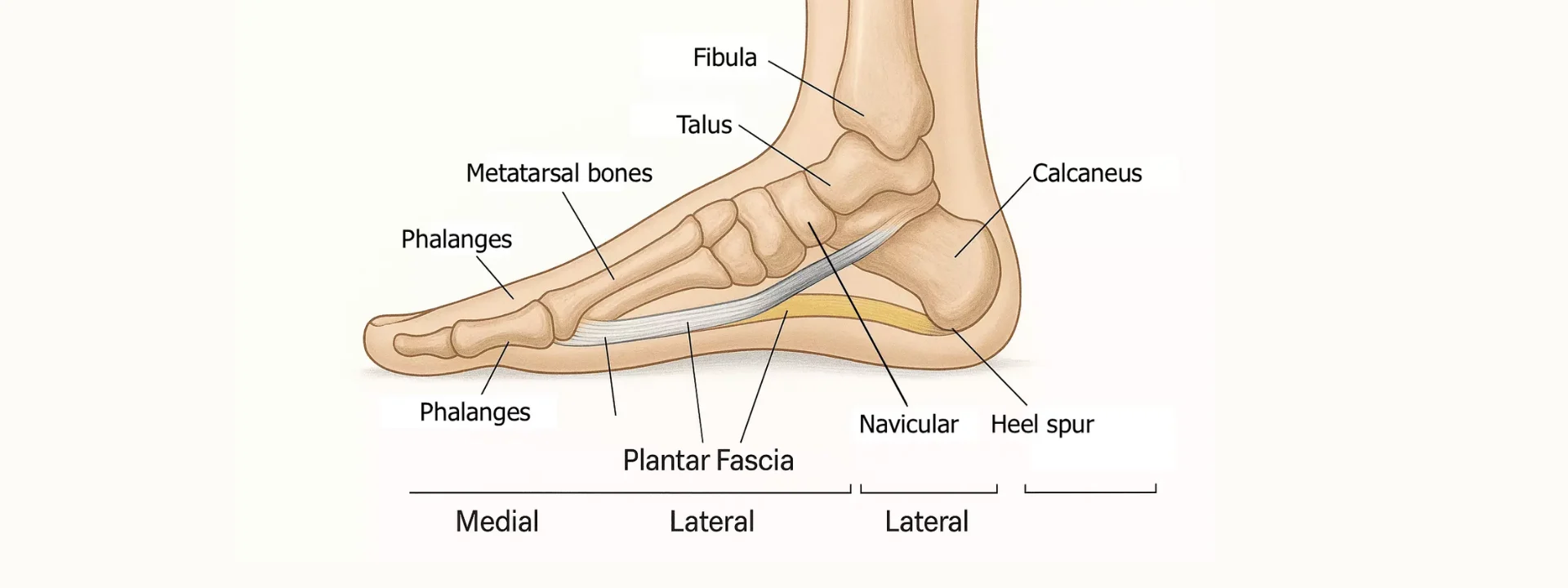
The plantar fascia is a thick band of connective tissue that runs along the bottom of your foot, connecting your heel bone to the base of your toes. Its job is to absorb shock and support the arch of your foot with every step you take – pretty important if you ask me. When this tissue becomes overloaded through repetitive stress, sudden increases in training volume, or biomechanical factors, it develops small tears and becomes inflamed, leading to the characteristic heel pain of plantar fasciitis.
The telltale sign is pain that’s worst with those first steps in the morning, or after sitting for a prolonged period. The tissue tightens while you’re resting, and that initial load when you stand sends a sharp, stabbing sensation through the heel. Interestingly, the pain often eases once you’ve been moving for a few minutes, which is an easy way to trick people into thinking it’s not a serious issue that they need to address.
Why are runners and active people most at risk?
Plantar fasciitis doesn’t discriminate, but certain groups of people with particular lifestyles are significantly more vulnerable:
- Runners – especially those who have recently increased their weekly mileage, changed their running surface, or switched to minimalist footwear. The repetitive impact loading is a major driver.
- People who stand for long periods – nurses, teachers, chefs, retail workers, and tradespeople are all people I frequently see with this problem.
- People with tight calves or Achilles tendons – tightness here increases the pull on the plantar fascia and is one of the most overlooked contributing factors.
- Hikers, cyclists, and gym-goers – those who have ramped up activity levels without adding an appropriate amount of recovery time.
The mistakes that make plantar fasciitis worse
Because the pain often eases mid-run or mid-session, many athletes convince themselves they can simply train through it, and this is probably the most common mistake I see. What starts as a minor irritation quickly becomes a chronic, entrenched problem if the underlying cause isn’t addressed. Scar tissue builds up, the tissue becomes less pliable, and suddenly a condition that could have been resolved in a few weeks is taking months.
Other common pitfalls include wearing worn-out or unsupportive footwear (which many of us are guilty of), relying solely on ice and rest without any active treatment, and skipping the assessment phase entirely. We start jumping straight into generic stretches without knowing what’s actually driving the problem in the first place. Cold therapy has its place in the early stages of an injury, but as we cover in our guide to heat and cold therapy, continuing to ice a chronic condition like plantar fasciitis for weeks on end can actually hinder recovery rather than help it. It’s important to note that not all heel pain is plantar fasciitis either, and treating the wrong condition is a waste of your time, energy and money.
How I treat Plantar Fasciitis patients in East Sussex
When you come to see me at my clinic in Newhaven, we’ll talk through what you’re experiencing and start with a musculoskeletal assessment. I want to understand exactly what’s happening in your foot, but also look at the wider picture like your calf flexibility, your gait, your training load, your footwear. Plantar fasciitis rarely exists in isolation, and treating just the heel without understanding why it happened almost always leads to the problem coming back – I want to make sure that doesn’t happen!
Depending on your assessment, your treatment plan at Callum Wood Sports Massage may include:
- Sports massage to release tension in the plantar fascia, calf muscles, and surrounding soft tissues
- ASA M8 Laser Therapy to reduce pain and inflammation and accelerate tissue healing (more on this below)
- A targeted exercise programme to strengthen the foot intrinsic muscles and improve load capacity
- Taping techniques to offload the plantar fascia during your recovery
- Orthotics or footwear advice where appropriate
- A modified training plan so you can stay as active as possible while recovering
Why I love ASA M8 Laser Therapy for Plantar Fasciitis
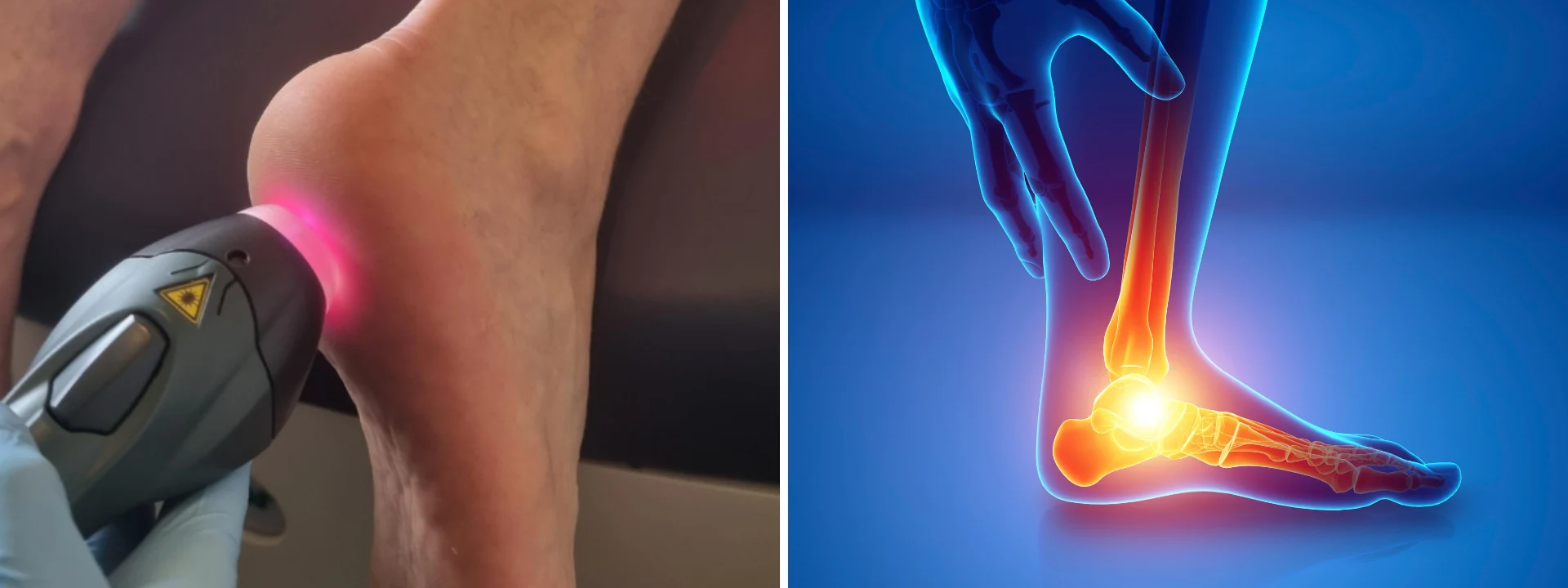
One of the most exciting tools in my clinic is the ASA M8 laser, and I’m proud to say that Callum Wood Sports Massage is one of the only clinics in Sussex to have this piece of equipment. Plantar fasciitis is one of the conditions it works particularly well for, and here’s why.
For runners and active people who want to get back to training as quickly as possible, this can make a significant difference. Rather than waiting weeks for natural inflammation to settle, laser therapy actively accelerates the process. Many of our patients report a noticeable reduction in pain within just a few sessions.
The treatment itself is also completely painless and non-invasive – a key reason many people prefer it over alternatives like shockwave therapy or steroid injections, both of which can be uncomfortable. There’s no downtime, no needles, and no side effects. You simply lie back as I apply the laser to the affected area, and you’re done in a matter of minutes.
What you can do at home to help with Plantar Fasciitis right now
While professional treatment is the most reliable route to recovery, there are a few things you can do in the meantime to help manage your symptoms:
- Roll a tennis ball or lacrosse ball under your foot to massage the plantar fascia and surrounding muscles – video example here.
- Chill a water bottle and roll it under your foot to help calm inflammation.
- Strengthen your foot muscles with simple exercises like picking up a small object with your toes, or scrunching a towel.
- Stretch your calves and Achilles regularly – tightness here is a major driver of plantar fasciitis.
These measures can help in the short term, but they’re unlikely to resolve the problem fully on their own, particularly if you’ve been dealing with it for more than a couple of weeks.
Ready to say goodbye to Plantar Fasciitis and get back to what you love?
Plantar fasciitis can feel relentless and never ending, but it doesn’t have to keep you from doing what you love or your work. At Callum Wood Sports Massage in Newhaven, I’ll get to the root cause of your heel pain, build a treatment plan tailored specifically to you, and use every tool at my disposal to get you back to running, training, and doing the things you enjoy as quickly as possible.
Feel free to email me at callum@cwsportsmassage.com , Whatsapp me on 07525 493350, or drop me a DM on Facebook or Instagram for a no obligation chat about your issues.